The types of metal gates used on homes are easiest to sort four ways: by job (driveway, walk, side-yard, pool or entry gate), by how they open (swing, sliding or folding), by the look of the infill (pickets, flat bar, solid panels, mesh or decorative work) and by the metal (mostly steel, aluminum or stainless). The job and the opening style decide the structure, posts and hardware. The infill and metal decide the look, weight, privacy and upkeep.
This guide walks through each group so you can name what you want when you talk to a fabricator or installer. For a head-to-head comparison of the metals, see steel vs iron vs aluminum gates.
Types of metal gates by job
Start with what the gate has to do. The same picket design can be a light walk gate or a heavy driveway gate, and the frame, hinges and posts change completely between the two.
| Gate type | What it does | What drives the design |
|---|---|---|
| Driveway gate | Lets vehicles in and out, often automated | Width, weight, posts, slope, snow, operator |
| Walk (pedestrian) gate | Single-person access at the front walk or side | Latch height, self-closing hardware, matching the fence |
| Side-yard gate | Closes the gap between the house and the fence | Narrow opening, wall or post mounting, privacy |
| Garden gate | Decorative access between parts of the yard | Look, light frame, often an arched top |
| Pool gate | Part of a pool enclosure | Municipal pool enclosure by-law, self-closing and self-latching hardware |
| Entry or courtyard gate | Front-door security or a private courtyard | Strength, locks, design detail |
| Utility gate | Garbage enclosures, equipment areas, farm and shop yards | Durability over looks, simple hardware |
Driveway gates are the biggest and most demanding. They are often double leaves or a single sliding panel, and many are motorized now or later. We cover the main design decision in steel driveway gates: swing vs sliding.
Walk gates and side-yard gates are usually single swing leaves, sized for a person, a wheelbarrow or bins. They often match a driveway gate or fence panel in the same style.
Pool gates are the one type where rules decide the hardware. Ontario municipalities set pool enclosure requirements in their own by-laws, and these commonly require gates that close and latch on their own, along with limits on gaps and climbable features. Check your municipality's current by-law before you choose a design.
Types of gates by how they open
How the gate moves sets the hinge or roller hardware, the post size and how much room you need.
- Single swing gate. One leaf on hinges. The simplest and most common type for walks, side yards and narrow driveways. Needs clear ground inside the swing.
- Double swing gate. Two leaves meeting in the middle, with a drop rod or cane bolt holding the inactive leaf. Each leaf is shorter, so there is less sag and less swing room needed per side.
- Bi-parting or unequal leaves. Two leaves of different widths, so the small one can open for people while both open for vehicles.
- Sliding gate on a track. The gate rolls on wheels along a ground track. Saves swing space, but the track has to stay clear of snow, ice and debris.
- Cantilever sliding gate. The gate hangs from rollers on posts beside the opening and floats over the driveway with no ground track. It needs a counterbalance tail, so the gate is longer than the opening and needs run-back space along the fence.
- Bi-fold gate. Leaves that fold as they open, used where there isn't room for a full swing or a slide.
Swing gates put a big turning load on the hinge post, and sliding gates put weight on rollers and guide posts. Either way, posts and footings matter as much as the gate frame. Our post on how a steel gate is installed explains post sizing, footing depth factors and hinge types.
Types of gate designs and infill
The infill is what people usually mean by "gate design". It changes the gate's weight, its wind load, its privacy and how easy it is to keep clean.
| Infill style | Look | Practical notes |
|---|---|---|
| Vertical pickets | Classic railing look, square or round bars | Open, light, lets wind through; spacing matters for pools and small children |
| Flat bar | Clean, modern lines in vertical or horizontal bar | Easy to keep straight; horizontal bars can be climbable |
| Horizontal slats | Modern privacy look, with gaps or overlapping | Heavier and catches more wind; good drainage gaps help the finish |
| Solid or laser-cut plate | Full privacy or a cut pattern in sheet or plate | Heaviest option, highest wind load; check your fence by-law first |
| Welded wire or mesh panel | Utility look, see-through | Light and economical; common for yards and garden gates |
| Ornamental or scroll work | Traditional "wrought iron" style with scrolls, finials and collars | Extra welding and finishing detail; more places for water to sit |
| Steel frame with wood infill | Warm look with a rigid steel frame | Wood needs its own upkeep; the steel frame stops sagging |
Two points get missed. First, some municipal fence by-laws limit materials and heights. Toronto's fence by-law, for example, does not allow sheet metal or corrugated metal panels in a fence, and front-yard heights are restricted. A solid steel privacy gate may need a different infill or an exemption, so check before you order. Second, a solid or slatted gate acts like a sail. A tall, solid leaf puts far more load on its hinges, posts and latch in a windstorm than an open picket gate of the same size.
Types of metal used for gates
Most residential gates are one of these:
- Mild steel. Strong, stiff, easy to weld and repair, and the usual choice for custom and driveway gates. It needs protection from rust: hot-dip galvanizing, primer and paint, or galvanizing with paint over it.
- "Wrought iron". Today this almost always means mild steel shaped and finished in a traditional style. True wrought iron is rarely made now.
- Aluminum. Light and rust free, so it suits long or automated gates where weight matters. Less stiff than steel, so it needs deeper sections for the same span, and it is harder to repair on site.
- Stainless steel. Used for modern accents, hardware and coastal or pool settings. More costly to buy and to fabricate, and the grade matters for staining.
- Galvanized steel. Mild steel with a zinc coating. It can be left bare for utility gates or painted for a finished look.
For the full comparison, including weight and automation, read steel vs iron vs aluminum gates.
Choosing the right type for your property
A few questions narrow the choice quickly:
- What passes through? People only, bins and mowers, or vehicles. That sets the clear width and whether you need one leaf or two.
- How much room is there? Measure the swing path inside the opening, the slope across it and the run-back space along the fence for a sliding gate.
- Will it be automated? Even if not now, say so up front. An automated gate needs a rigid frame, smooth hinges or rollers, positive stops and room for safety devices. In Canada, look for an operator certified to CSA C22.2 No. 247.
- How private and how open? Open pickets for a light look and less wind load, slats or plate for privacy, subject to the by-law.
- What finish? Galvanized, primed and painted, or galvanized and painted. Exterior steel lasts much longer with galvanizing under the paint.
- Who installs it? Posts, footings and hardware adjustment are a separate trade from fabrication. Line up your installer before the gate is built, so the post and hinge details suit how they work.
Then think about upkeep. Every gate type needs some care: hinges lubricated, latches adjusted, chips touched up before rust spreads. Our guide on painting and repairing a steel gate covers the maintenance side.
What changes the effort and cost between gate types
We don't publish gate prices because every gate is built to its opening, but the type you choose moves the cost in predictable ways:
- Size and weight. A double driveway gate in solid plate is a very different job from a single picket walk gate.
- Infill complexity. Plain pickets are quick to lay out and weld; scroll work, laser-cut patterns and tight-spaced slats take more shop time.
- Opening style. Cantilever gates add rollers, a counterbalance tail and heavier posts. Swing gates add heavy hinges and stops.
- Finish. Galvanizing, priming and paint are each separate steps.
- Automation and hardware. Operators, safety devices, locks and self-closing hinges add up.
Our post on custom steel gate cost goes through each factor and how to compare quotes.
Getting a custom metal gate made
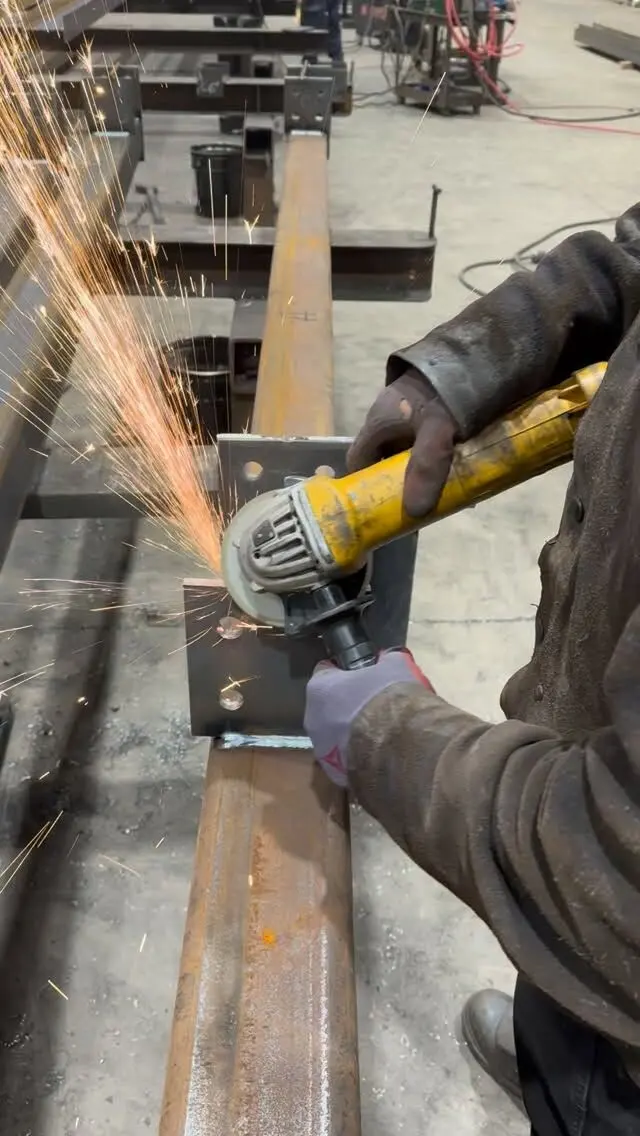
We fabricate custom steel gates in our shop in Erin, with CWB certified welding and shop drawings prepared in house, and we can prime or galvanize to suit. We build and deliver the gate across the GTA and Ontario; installation is done by your own installer or contractor. To get a quote, send the opening width and height, photos of the opening and posts, the gate type you want (swing or sliding, one leaf or two) and a picture or sketch of the style.
Request a quote for your gate, or see the miscellaneous steel we make.
Frequently asked questions
What are the main types of metal gates for a house?
By job, the common ones are driveway gates, walk (pedestrian) gates, side-yard and garden gates, pool gates and front entry or courtyard gates. Each can be built as a swing or sliding gate and in several infill styles, from vertical pickets to solid privacy panels.
What is the difference between a steel gate and an iron gate?
Most gates sold as wrought iron today are made from mild steel bar and tube shaped to look like traditional ironwork. True wrought iron is rarely produced now, so for practical purposes you are choosing between steel, aluminum and occasionally stainless steel.
Which type of metal gate lasts the longest?
Lifespan depends more on the finish and the design than the gate type. A steel gate that is hot-dip galvanized, or galvanized and then painted, and that sheds water instead of trapping it will outlast a bare or poorly painted one by a wide margin.
What type of gate is best for a sloped driveway?
A sliding gate, or a swing gate whose leaves open away from the uphill side, usually suits a slope better than a standard swing gate, which can strike the rising ground as it opens. The layout of your driveway decides it, so measure the slope across the swing path first.