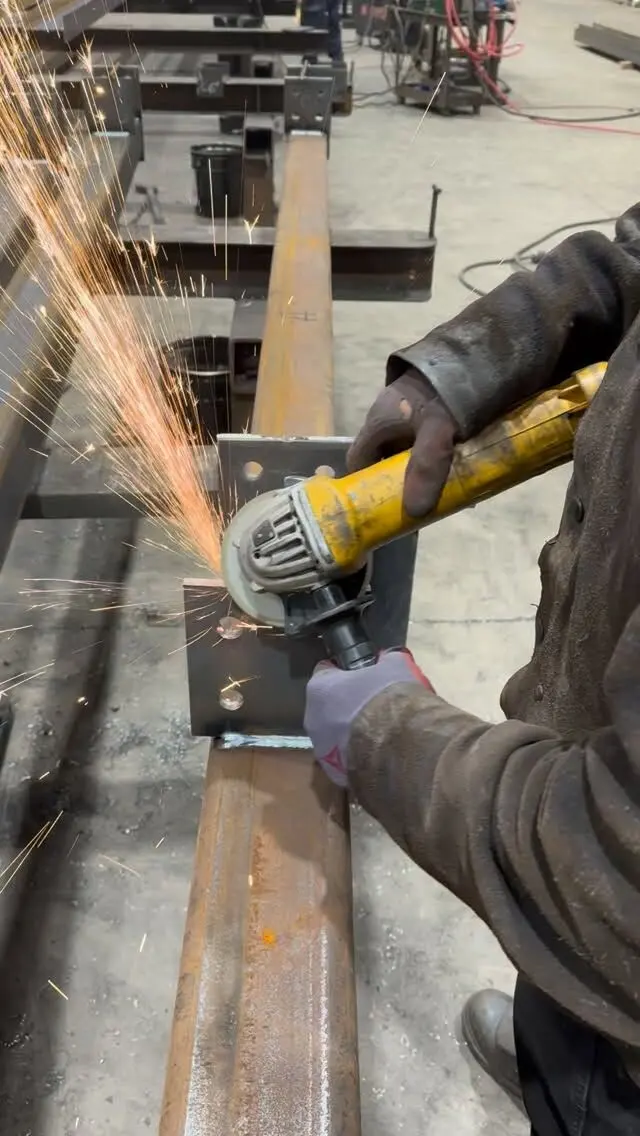
For most driveway and garden gates in Ontario, steel is the better choice than iron, and most gates sold as "wrought iron" are in fact mild steel made in a traditional style. Steel is strong, rigid, consistent and easy to weld into custom designs, but it needs galvanizing or a good coating to resist rust. Aluminum is the main alternative: much lighter and rust-free, which helps on wide or automated gates, but less rigid and usually limited to manufactured designs. Genuine wrought iron and cast iron now appear mainly in restoration work and decorative details.
What "steel", "iron" and "aluminum" gates really are
The names in gate catalogues don't always match the metal.
- Mild steel gates. Mild steel is ordinary low-carbon steel, the same family used for beams, plates and tubes. Gate frames are typically steel tube (HSS) or channel, with bar, picket, flat bar or panel infill welded in. This is what most custom metal gates are made from.
- Wrought iron gates. Wrought iron is a historic, very low-carbon iron that was worked by hand. It's now produced only in small quantities, mostly for restoring heritage ironwork. "Wrought iron gate" today usually describes a style (scrolls, twisted bars, spear tops) made in mild steel.
- Cast iron. Iron poured into moulds. It's used for decorative castings such as finials, rosettes and panels. It's hard but brittle, so it isn't used for the structural frame of a modern gate.
- Aluminum gates. Usually extruded aluminum profiles in a manufactured system, welded or mechanically assembled and powder coated.
- Stainless steel gates. Corrosion resistant without a coating, used for modern designs; the material is costlier and slower to fabricate than mild steel.
So "steel gate vs iron gate" is mostly a question of design, while "steel vs aluminum" is a real difference in material.
Steel vs iron vs aluminum gates at a glance
| Mild steel | Wrought or cast iron | Aluminum | |
|---|---|---|---|
| Strength and rigidity | High; resists impact and sag | Wrought iron is tough; cast iron is brittle | Lower; needs larger sections or bracing |
| Weight | Heavy | Heavy | Light |
| Rust | Rusts unless galvanized or coated | Rusts unless painted | Doesn't rust |
| Custom design | Almost anything can be fabricated | Hand forged and cast work for traditional designs | Limited to system profiles, or custom aluminum fabrication |
| Repair | Easy to cut, weld and modify | Specialist work | Possible, but aluminum welding is a specialty |
| Automation | Needs an operator sized for the weight | Heavy, as steel | Light gates are easy on operators |
| Security | Hard to bend or cut through | Good, but cast parts can crack on impact | Easier to bend or damage |
| Typical use | Driveway gates, security gates, custom designs | Heritage restoration, decorative parts | Low-maintenance residential gates, wide automated gates |
Steel gates
Steel is the default material for custom metal gates for good reasons:
- Rigidity. A gate leaf hangs from one side, so it is constantly trying to sag. Steel's stiffness, with a properly braced frame, keeps wide leaves square.
- Security and durability. Steel pickets and frames resist being bent, kicked or driven into, which matters on driveway and commercial gates.
- Design freedom. Any shape, height, infill or arch can be welded up, and the gate can be matched to existing railings or fences.
- Repairable. If a car hits it, a steel gate can usually be straightened or have parts replaced.
The weaknesses are weight and rust. Heavy leaves need strong posts, good hinges and, if automated, an operator rated for the weight and length. Rust is managed with galvanizing, primer and paint, powder coating, or galvanizing plus a coating, and by detailing the bottom of the gate so salt spray and meltwater don't sit on it.
Iron gates
If you have a heritage property with original ironwork, repair and matching work may call for wrought iron or cast iron pieces, often from specialists in historic metalwork. For a new gate with a traditional look, mild steel is the practical choice: the scrolls, collars, twisted pickets and spear tops can all be made in steel, and cast decorative parts can be welded or bolted on where the design needs them.
Aluminum gates
Aluminum has a real place, especially for:
- Wide or automated driveway gates, where lighter leaves reduce strain on hinges, posts and operators
- Low-maintenance properties, where a powder-coated aluminum gate won't rust
- Matching aluminum fences or railings already on the property
The trade-offs are rigidity, impact resistance and design options. An aluminum gate is easier to dent or bend, wide leaves need careful bracing, and most aluminum gates come in the manufacturer's standard profiles. Ask what thickness and alloy the frame uses, and whether the gate is rated for the width you need.
Weight, posts and automation
Material choice affects everything the gate hangs on:
- Posts and footings. A heavy steel swing leaf puts a large bending load on its hinge post. Posts, base plates and footings need to be sized for it, and footings need to resist frost movement for your site. See embedding steel posts in concrete vs base plates.
- Hinges and rollers. Heavier gates need heavier hinges or roller assemblies.
- Operators. Gate operators are rated for weight and length. A lighter aluminum gate may use a smaller operator; a steel gate needs one sized for its weight. In Canada, look for operators certified to CSA C22.2 No. 247, and plan entrapment protection.
Whether to swing or slide the gate is a separate decision covered in steel driveway gates: swing vs sliding, along with municipal fence by-laws.
Which is costlier?
We don't publish prices, but the cost pattern is clear:
- Steel vs iron. Since most iron-style gates are steel, cost follows design complexity: scrolls, forged details, castings and decorative finishing take far more hours than a plain picket or flat bar gate. Genuine wrought iron or custom castings add more.
- Steel vs aluminum. A standard aluminum gate from a system can be economical, especially when it matches an aluminum fence. Custom aluminum fabrication is specialized work. A steel gate's cost is driven by size, frame, infill, finish and hardware.
- Finish. Galvanizing and powder coating add steps for steel; aluminum is usually powder coated at the factory.
- Automation and posts. Operators, safety devices, electrical work and footings can be a large share of a driveway gate's total, whatever the material.
For a full breakdown, see custom steel gate cost, and for what to send, getting a custom steel gate quote.
How to choose
- Security, impact and custom design matter most: steel.
- A wide automated gate where weight is the problem: aluminum, or a well-braced steel gate with a properly sized operator.
- Lowest maintenance with a standard design: aluminum.
- A traditional ironwork look: mild steel in a traditional style, with cast details if you want them.
- Restoring heritage ironwork: a specialist in historic iron.
Getting a custom steel gate made
We fabricate custom steel gates, railings, stairs and ladders in our shop in Erin, with CWB certified welding and shop drawings prepared in-house, and deliver across the GTA and Ontario.
Send your opening width, height, photos and a sketch or picture of the style you like for a free quote. We can prime or galvanize the gate to suit the job; the gate operator and installation are handled by your installer or contractor. See our steel products for the other miscellaneous steel we make.
Frequently asked questions
Steel gate or iron gate, which is better?
For most gates, steel. Most gates sold as wrought iron today are actually mild steel made in a traditional style, because steel is stronger, more consistent and easier to weld. Genuine wrought iron and cast iron are mainly used for restoration and decorative parts.
What is a mild steel gate?
A gate made from mild steel, the common low-carbon steel used for structural and fabricated work. Frames are usually tube or channel with bar, picket or panel infill, welded together and protected from rust by galvanizing, paint or powder coating.
Is an aluminum gate better than a steel gate?
Aluminum gates are lighter and don't rust, which suits wide automated gates and low-maintenance properties. Steel gates are stronger, more rigid and harder to damage, and can be made in almost any design. The right choice depends on size, security, design and maintenance.
Which is more expensive, a steel gate or an iron gate?
Because most iron-style gates are steel, the price difference comes from the design, not the metal: scrolls, castings, forged details and finishing take more work than a plain picket gate. Genuine wrought iron or custom cast parts add more.