To paint a steel gate, take it off its hinges if you can, wash it, remove loose rust and flaking paint back to sound metal, prime bare steel with a rust-inhibitive primer, and finish with two coats of exterior metal paint. Before painting, fix what's broken: adjust or replace worn hinges, have cracked welds and rusted-through rails repaired, and check that the hinge post is still plumb. A fresh coat on a gate that drags or has a rotten bottom rail won't last a season.
Steel gates take more abuse than railings. They swing, slam, carry snow and get splashed with road salt. Here's how to keep one looking good and working properly.
Diagnose before you paint
Walk around the gate and check:
- Does it swing freely and latch? If it drags, binds or won't latch, find out why before painting. Our guide to installing a steel gate explains the usual causes of sag, from a leaning hinge post to a frame without a diagonal brace.
- Is the hinge post plumb? Put a level on two faces. A post that has leaned or heaved after winter is a footing problem, not a gate problem.
- Where is the rust? Surface rust on flat faces is cosmetic. Rust at the bottom rail, at picket ends, inside tube sections and at welded joints is where gates actually fail.
- Are the welds intact? Look for cracks at hinge welds, at corners and where pickets meet rails.
- What's the finish? Bare or painted steel, galvanized, or older wrought iron. Galvanized gates need different preparation.
Make a short list of repairs. Painting comes last.
Common steel gate repairs
Hinges
Hinges are the hardest-working part of the gate.
- Lubricate. Many weld-on barrel hinges have a grease fitting. Grease them, and oil bolt-through hinge pins, at least once a year.
- Adjust bolt-through hinges. Adjustable hinges use threaded eye bolts or J-bolts through the post, with nuts on each side. Loosening one nut and tightening the other moves the leaf in or out at that hinge. To lift the latch end of a sagging gate, the top hinge is usually drawn toward the post or the bottom hinge pushed out, but make small moves and check the swing after each one. Lock the nuts when done.
- Weld-on hinges have no adjustment. If the gate sags on them, either the post has moved, the frame has racked, or the hinge has worn. Worn barrel hinges are cut off and new ones welded on.
- Replace undersized hinges. If a gate keeps wearing out its hinges, they may be rated for a lighter leaf. Heavy gates need hinges rated for their weight and width.
Sag and racking
If the post is plumb and the hinges are sound but the latch end still drops, the frame has racked. A diagonal brace running from the bottom hinge corner up to the top latch corner holds the frame square under compression. Adding one usually means welding in a new member, so it's a fabrication job. Cable-and-turnbuckle kits sold for wood gates are less suited to steel.
If the hinge post has moved, the gate can only be adjusted so far. The lasting fix is to reset or replace the post and footing, which the gate installation guide covers.
Broken welds and rusted-through steel
- Cracked welds at corners or hinges should be ground out and rewelded by someone qualified. A crack left alone grows with every swing.
- Rusted bottom rails are common because water and salt sit there. The rotten section can be cut out and a new piece of matching tube or channel welded in.
- Picket ends that have rusted where they enter the rail can be cut back and new picket ends fitted.
- Hollow sections that hold water should have a small weep hole at the low point so water can drain. Ask your welder where it should go.
Welding a galvanized gate needs extra care. The zinc coating near the weld is removed first, the work needs good ventilation because zinc fumes are harmful, and the bare steel left after welding has to be touched up with a zinc-rich coating.
Bent pickets and frames
Minor bends in solid bar pickets can sometimes be straightened cold. Kinked tubes, twisted frames and bent hollow sections usually have to be cut out and replaced. A gate that has been hit by a car is often beyond economic repair.
Latches and stops
A latch that no longer lines up is usually a symptom of sag. Fix the sag, then adjust the keeper. Make sure gate stops are in place so the leaf doesn't over-swing and strain the hinges.
How to paint a steel gate
Once repairs are done:
- Remove the gate from its hinges if practical, and lay it across sawhorses. You'll reach every face and avoid runs. If it can't come off, prop the latch end so it doesn't move.
- Check for lead. On older iron gates, the paint may contain lead. Health Canada advises against sanding, heat guns or blowlamps on lead-based paint, so test first if there's any doubt.
- Wash and degrease, including road salt residue. Rinse and dry.
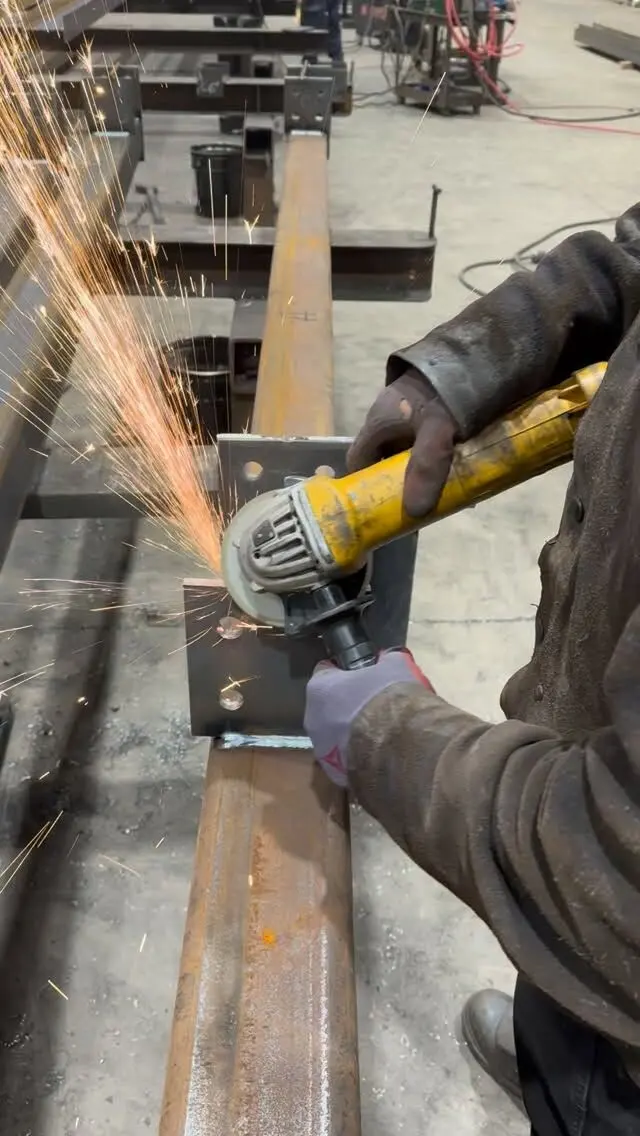
- Remove loose rust and flaking paint with wire brushes, a wire wheel or flap disc. Get back to sound metal and feather the paint edges.
- Prime bare steel the same day with a rust-inhibitive primer. On galvanized gates, use a primer the maker rates for zinc, after the preparation it specifies.
- Topcoat with two thin coats of exterior metal paint. Work into corners, picket joints and the undersides of rails first, then the flat faces.
- Paint the hinges and hardware with the gate, but keep paint off hinge pins and moving parts, then re-grease.
- Rehang and adjust.
Our post on painting steel railings and stairs goes deeper on primers and topcoats for different steels.
Best paint and colour for a steel gate
| Option | Suits |
|---|---|
| Rust-inhibitive primer plus alkyd enamel | Traditional painted steel and iron gates |
| Direct-to-metal acrylic | Quicker drying, flexible; good for repainting |
| Zinc-compatible primer plus topcoat | Galvanized gates painted for colour |
| Epoxy primer plus polyurethane | Heavy-use or commercial gates |
Colour. Black is the most popular gate colour by a wide margin. It hides minor scuffs and rust spots and suits brick, stone and modern houses alike. Charcoal, dark bronze and dark green are common alternatives. Satin finishes are more forgiving than high gloss, which shows every dent and patch. Lighter colours make touch-ups more noticeable and show rust stains quickly.
Repair or replace?
Repair makes sense when the frame is sound and the problems are local: a few rusted sections, worn hinges, a cracked weld. Replacement usually makes more sense when:
- Rust has eaten through rails, pickets and hinge areas all over
- The frame is twisted or the gate was hit
- The gate was undersized for its width and has always sagged
- You're changing the design, adding automation or switching from swing to sliding
For new gates, galvanizing, or galvanizing with paint over it, will last much longer outdoors than paint alone. Types of metal gates and steel vs iron vs aluminum gates help with the choice.
Getting a new steel gate made
We fabricate custom steel gates, posts and plates to your design with CWB certified shop welding, and we can prime or galvanize to suit. Installation is by your installer or contractor. See what to prepare for a custom steel gate quote, then send us your measurements and photos or browse our services.
Frequently asked questions
What is the best paint for an iron or steel gate?
A rust-inhibitive metal primer under an exterior metal topcoat, such as an alkyd enamel or a direct-to-metal acrylic. For galvanized gates use a primer made for zinc surfaces. Follow one manufacturer's system so the primer and topcoat are compatible.
Can a galvanized steel gate be painted?
Yes, for colour, but galvanizing needs careful preparation. Clean it, follow the paint maker's instructions for preparing zinc (often a light abrasive sweep or etch), and use a primer rated for galvanized steel. Some ordinary alkyd paints peel off zinc.
How do you adjust metal gate hinges?
Adjustable bolt-through hinges have threaded eye bolts or J-bolts with nuts on each side of the post: turning them moves the leaf in or out at that hinge to correct sag. Weld-on barrel hinges have no adjustment, so a sagging gate on those hinges needs the cause fixed or the hinges reset by a welder.
Why does my steel gate sag?
The most common cause is a hinge post that has leaned or heaved, followed by a frame without a diagonal brace, worn hinges and frost movement. Check the post with a level before adjusting anything at the gate.
Can a rusted steel gate be repaired?
Usually. Surface rust is cleaned and repainted. Rusted-through bottom rails or picket ends can be cut out and replaced with new steel by a welder. If the frame, hinges and posts are all badly corroded, a new gate is often the better value.