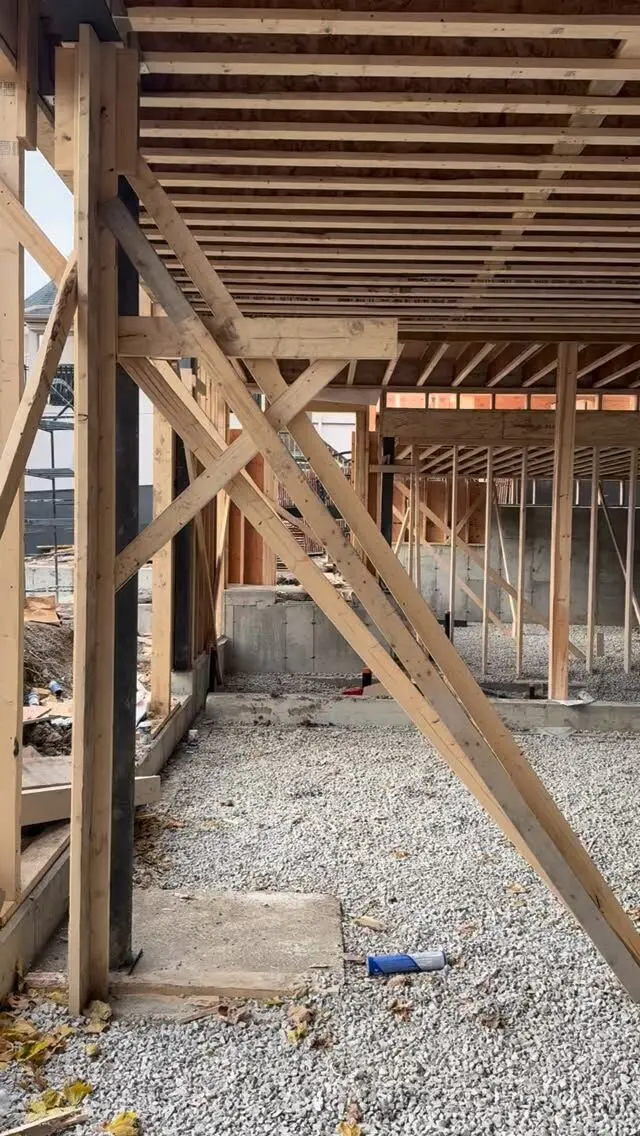
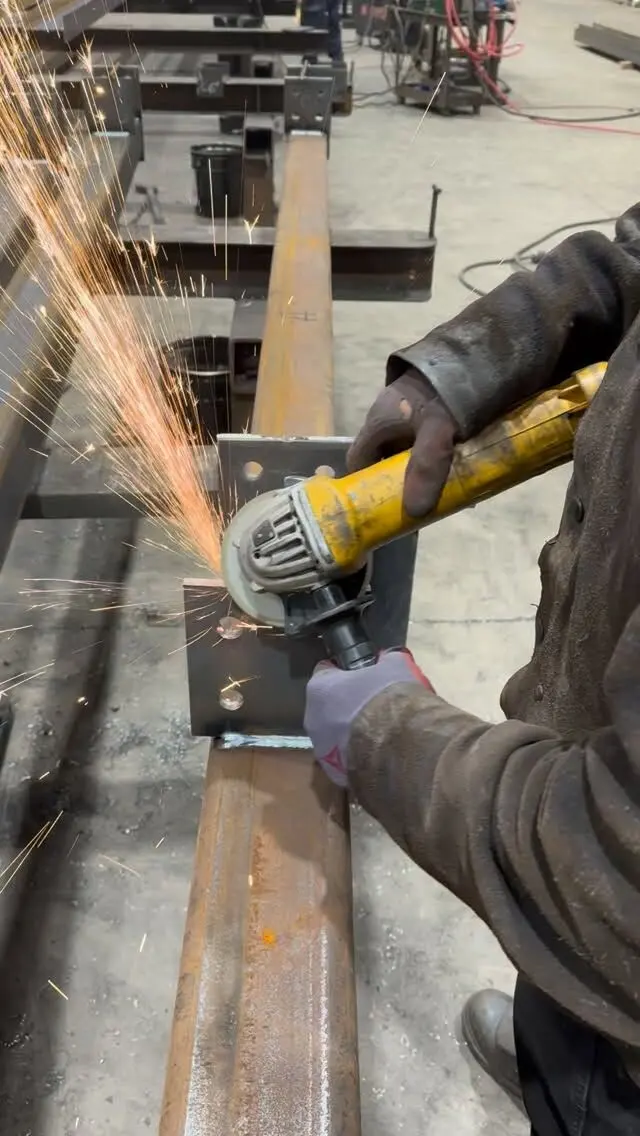
A steel gate is installed by setting properly sized posts plumb in footings below frost (or on base plates bolted to concrete piers), letting the concrete gain strength, hanging the leaf on hinges rated for its weight, then adjusting clearance, latch and stops. The gate itself is rarely the problem. Most gate failures come from the hinge post: too light, too shallow or leaning a little more every winter.
This guide covers how installers approach each step, with a focus on posts, hinges and footings. For choosing between swing and sliding gates, see steel driveway gates: swing vs sliding.
Plan the installation first
Before anyone digs:
- Check the by-law. Municipal fence by-laws set heights, locations and sometimes sight-line rules near driveways. Pool enclosure by-laws commonly require gates that close and latch on their own.
- Confirm the property line. Posts and footings belong on your side. Use your survey.
- Get utility locates. Call Ontario One Call before digging. Gas, hydro, cable and water lines often run along front yards and driveways.
- Decide the swing. Swing gates usually open into the property, away from the sidewalk. Check the arc clears the driveway surface if the ground rises.
- Plan automation now if you might add an operator later, so the posts, footings and conduit suit it.
How big do gate posts need to be?
The hinge post on a swing gate does a hard job. The leaf's weight acts roughly at its middle, half its width away from the hinges, so the leaf tries to rotate down and away from the post. The hinges resist that with a pair of opposing forces: the top hinge pulls away from the post and the bottom hinge pushes into it.
A worked example shows why width matters so much:
| Leaf | Weight | Width | Hinge spacing | Approx. horizontal force at each hinge |
|---|---|---|---|---|
| Pedestrian gate | 40 kg (about 0.39 kN) | 1.0 m | 1.0 m | about 0.2 kN |
| Driveway leaf | 100 kg (about 0.98 kN) | 3.0 m | 1.2 m | about 1.2 kN |
The force is roughly the weight times half the leaf width, divided by the vertical distance between hinges. A wider leaf, a heavier leaf or hinges closer together all raise it, and the post has to resist the same effect as bending, all the way down into its footing. Add wind on a solid panel, snow, people swinging on the gate and an operator pushing it, and the post load grows further.
That is why there is no reliable "gate post size calculator" that works from width alone. Practical points:
- The hinge post is usually heavier than the latch post.
- Spacing the hinges farther apart reduces hinge forces, so taller gates are easier on hardware.
- Double gates split the width into two lighter leaves, reducing the load on each post.
- Steel HSS posts are the usual choice; our HSS size chart lists common sections.
A fabricator sizes the posts, hinges and frame together for your gate. If you are reusing existing masonry piers, send photos: a hollow or unreinforced pier may not carry a heavy steel leaf.
Footings and post depth
Footing depth for a gate post is set by two things: frost and overturning.
- Frost. In Ontario winters, wet soil freezes and expands. A footing that stops above the frost line can be lifted, and posts that heave unevenly throw the gate out of line. The footing should reach below frost depth for your area and soil.
- Overturning. The bending from the leaf tries to tip the post and footing over. A deeper and wider footing resists that. Heavy driveway gates may need a substantial footing, or a grade beam between posts.
Soil type, drainage and gate size all change the answer, which is why a "gate post depth calculator" can only give a rough idea. Your installer or designer sets the depth and diameter for your site.
There are two main ways to fix a steel post:
- Embedded: the post is set into the wet concrete, braced plumb and left to cure. Stiff and simple, but the steel at the concrete line is a corrosion point.
- Base plate on a pier: a concrete pier is poured with anchor bolts, and the post's welded base plate is bolted on after. Easier to adjust and replace, and it keeps steel out of the soil.
We compare the two in embedding steel posts in concrete vs base plates.
Steel gate hinge types
| Hinge type | How it works | Good for |
|---|---|---|
| Weld-on barrel (bullet) hinge | Two welded halves on a pin; often with a grease fitting | Small to medium steel gates; clean look |
| Weld-on ball-bearing hinge | Barrel hinge with a bearing to carry the weight | Heavy swing leaves, automated gates |
| Adjustable bolt-through hinge | Threaded eye or J-bolt through the post with nuts to adjust | Heavy gates where you want to fine-tune or reset sag |
| Heavy strap hinge | Long strap bolted or welded along the gate rail | Rustic or farm-style gates, wood-faced steel frames |
| 180 degree hinge | Lets the leaf fold back flat against the fence | Gates that must open fully |
| Self-closing hinge | Spring or hydraulic hinge that closes the gate | Pool enclosures and pedestrian gates |
| Rising (gravity) hinge | Lifts the leaf as it opens and lets it close by gravity | Sloping ground, self-closing pedestrian gates |
What makes a hinge "heavy duty" is its rated load for your leaf size, published by the hinge manufacturer, and how it is fixed: welded hinges must be welded properly to both post and frame, and bolt-through hinges need a solid post wall to bear on. Check that the hinge pin, the weld and the post can all carry the load.
Hanging and adjusting the gate
With the posts set and the concrete cured to the installer's satisfaction, the gate is hung:
- Support the leaf on blocks at the final ground clearance, allowing for snow and any rise in the driveway.
- Fit the hinges to the post and frame, welded or bolted as detailed. On many custom steel gates the hinge halves are welded on in the shop, so this step is mostly alignment.
- Check plumb and level. The hinge axis must be truly vertical, or the gate will swing open or closed on its own.
- Swing test. The leaf should move freely through its full arc without rubbing.
- Adjust with the hinge adjusters if fitted, then lock them.
- Fit the latch, stops and drop rod. Double gates need a centre stop or drop rod to hold one leaf. Gate stops stop the leaf over-travelling and straining the hinges.
- Touch up any welds or scratches with the gate's finish.
Sliding gates install differently. Track gates need a level, straight track across the opening. Cantilever gates hang from roller assemblies on posts beside the opening, and those posts and footings carry the whole gate, so they need careful alignment and a substantial foundation. Our driveway gate guide covers both.
Why steel gates sag and bind
When a gate starts dragging or won't latch:
- Leaning hinge post. The most common cause. A footing too small or too shallow lets the post rotate, often a little more after each frost cycle.
- Frame racking. A wide leaf without a diagonal brace or stiff corners can sag at the latch end.
- Worn or under-rated hinges. Pins wear, bearings fail, and a hinge rated for a lighter gate loosens over time.
- Frost heave lifting one post more than the other.
- Operator strain. An automated gate with an under-sized operator or no stops puts repeated shock into the hinges.
Fix the cause first. Adjusting the latch keeper on a leaning post only hides the problem until next winter.
Getting a steel gate made
We fabricate custom steel gates and their posts and plates to your design, with CWB certified shop welding, and we deliver across the GTA and Ontario. Installation is by your installer or contractor. To get an accurate number, see what to prepare for a custom steel gate quote, then send your measurements and photos or see our fabrication services.
Frequently asked questions
How deep should steel gate posts be?
Deep enough to sit below frost and to resist the overturning load the gate puts on the post. That depends on your soil, the gate's weight and width, and whether it is solid or open. There is no single depth that suits every gate; the installer or designer sets it for your site.
What size steel post do I need for a gate?
It depends on the leaf weight, its width, the height, wind on solid infill and any automation. The hinge post carries a bending load from the leaf hanging off one side, so it is usually heavier than the latch post. Fabricators size posts with the gate as one design.
What are the best hinges for a heavy steel gate?
For heavy swing gates, weld-on ball-bearing barrel hinges or adjustable bolt-through hinges rated for the leaf weight are common. Pool and pedestrian gates may need self-closing hinges. Always check the manufacturer's weight rating.
Why does my steel gate sag?
Usually because the hinge post is leaning or moving in its footing, the hinges are worn or under-rated, or the gate frame lacks a diagonal brace and is racking. Fix the cause, not just the latch.
How long should concrete cure before hanging a gate?
Long enough to gain the strength needed to resist the gate's load. That depends on the mix and the weather, so follow your concrete supplier's or installer's guidance rather than hanging the gate the same day.