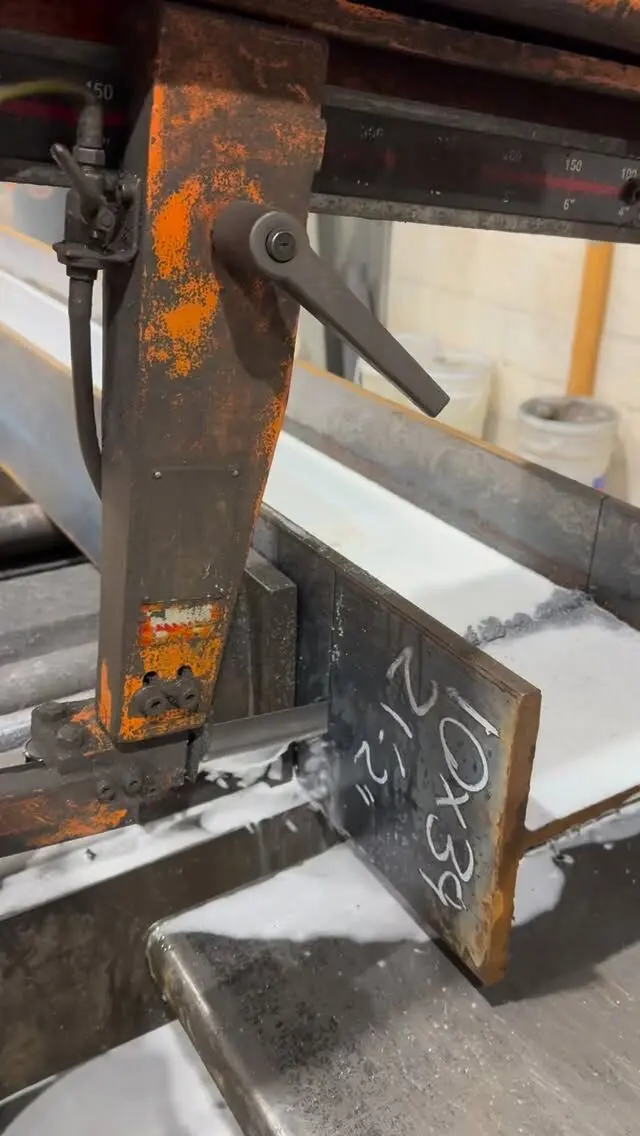
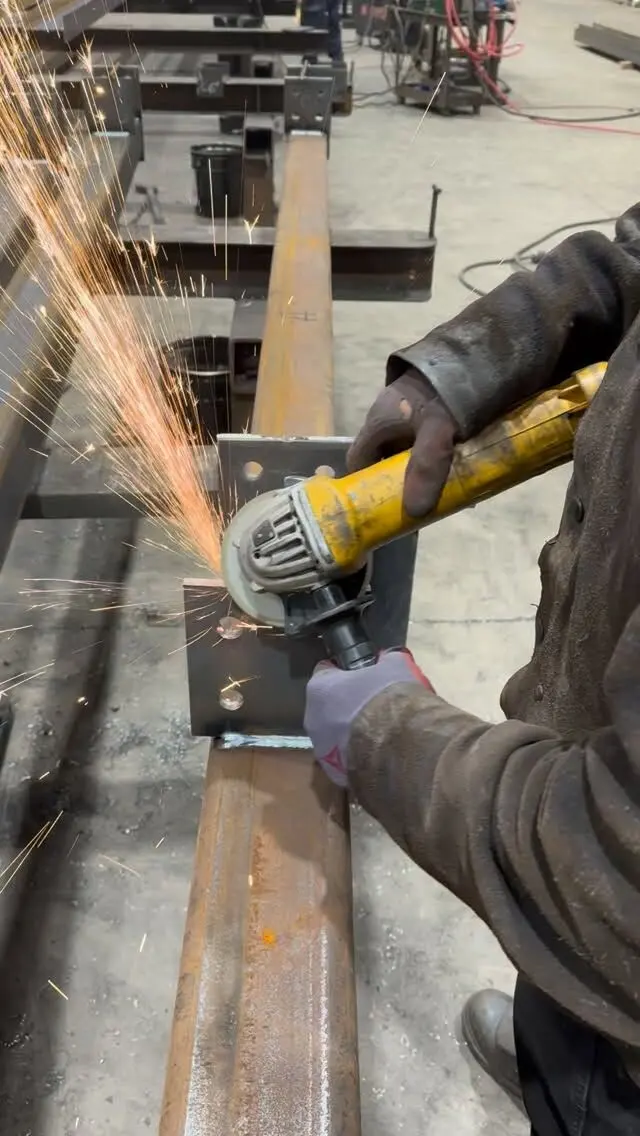
What a steel lintel costs comes down to two separate things: the steel itself and the work to put it in the wall. The steel price is driven by the angle size, the overall length, any fabrication (holes, welds, plates), the finish and the quantity you order. On a retrofit in an existing wall, installation (shoring, removing and rebuilding brick, flashing, permits) is often the bigger part of the bill. Below is how each part is priced, so you can read quotes properly and get an accurate number for your job.
Why there is no single price for a steel lintel
Search for steel lintel prices and you will see confident numbers, but none of them can tell you what your lintel will cost. A lintel for a narrow basement window in brick veneer and a pair of bolted angles over a wide opening in a solid brick wall are both "steel lintels", yet they differ in weight, labour and finish. Steel prices also move with the market, so a figure that was right last year may not be right today.
That is why we don't publish lintel prices. A useful quote is built from your opening sizes, the section the code or the engineer calls for, and the fabrication your detail needs.
What drives the cost of the lintel itself
Section size and weight
Steel is bought largely by weight, and lintel weight climbs quickly as the legs and thickness grow. A small angle used over a narrow veneer opening weighs a fraction of a heavy angle used over a wide one. The size is not a choice to make on price: it comes from the Ontario Building Code tables or from the engineer. Our guide to steel lintel sizes under the Ontario Building Code shows how span and wall type set the minimum size.
Overall length
A lintel is always longer than the opening because each end has to bear on the wall. Lintels sized from the Ontario Building Code tables need at least 150 mm of bearing at each end, so even a short opening adds 300 mm or more of steel. When someone asks for a "3 m lintel", the first question is whether 3 m is the opening or the piece. A 3 m opening needs a lintel of at least 3.3 m, and the code tables call for a heavier angle at that span than at shorter ones.
Fabrication
A plain angle cut to length is the simplest lintel. Price rises with each step of work:
- Drilling or punching holes for bolts or anchors
- Bolting paired angles together for solid masonry walls
- Welding angles to plates or beams
- Shop drawings for engineered pieces
- Marking and tagging each piece to its opening
Finish
Steel angle lintels supporting masonry must be prime painted or otherwise protected from corrosion. Shop primer is the basic option. Hot-dip galvanizing is a separate process with its own handling and schedule, and galvanized and painted is another step again. The finish is worth getting right: a better coating is a small part of the cost compared with opening the wall later.
Quantity and grouping
Ordering every lintel for a house or building at once is more efficient than ordering one at a time. Set-up, handling and delivery are spread across more pieces, and the shop can cut all the openings from the same stock.
Delivery
Delivery distance, site access and whether the order travels with other steel (beams, posts, plates) all affect cost. A lintel that ships with the rest of your structural steel costs less to deliver than a single piece sent on its own.
What drives the cost of installation
For new construction, the mason sets lintels as the wall goes up, and the cost is part of the masonry contract. For an existing wall, installation is a project of its own, and these are the factors that move the price:
- Wall type. Brick veneer over wood framing is simpler than a solid masonry wall carrying floors and roof.
- Opening width and height. Wider openings mean heavier lintels, more shoring and more masonry to rebuild.
- Shoring. Temporary support for the wall and anything bearing on it while the masonry is open.
- Access. Scaffolding, height, landscaping, decks and tight side yards all add time.
- Masonry rebuild. Matching old brick and mortar colour, and toothing new work into old.
- Interior work. Disturbed drywall, trim or plaster on the inside of the wall.
- Flashing and weep holes. Properly done, these add some time but protect the new lintel.
- Engineering and permit. New or enlarged openings and structural changes generally need design and a building permit.
- Season. Masonry in cold weather needs protection and heat, which adds cost in winter.
The step-by-step process is laid out in our article on installing a steel lintel in an existing brick wall. If you are replacing a lintel that has rusted, the cost factors overlap but there is extra work removing the old steel, covered in replacing a rusted steel lintel.
How lintel quotes are built
Knowing how suppliers and contractors put a number together helps you compare them.
Steel supply quotes usually list each lintel by mark, section, length, quantity, fabrication and finish, then delivery. Plain stock may be priced by length or weight. Fabricated lintels are usually priced per piece or as a package for the job, because a drilled, welded and galvanized lintel involves work that doesn't scale with length.
Installation quotes from masonry contractors usually price per opening or for the whole scope, and they should state what is included: shoring, removal, supply of the lintel or not, flashing, rebuilding, clean-up, permit, and any interior repair.
Comparing quotes fairly
When two quotes look far apart, check that they describe the same job:
| Check | Why it matters |
|---|---|
| Same section size and length | A lighter or shorter lintel is cheaper but may not meet code |
| Same finish | Primer and galvanizing are not equivalent |
| Lintel supply included or not | Some masonry quotes assume you supply the steel |
| Flashing and weep holes included | Skipping them shortens the life of the lintel |
| Permit and engineering included | Often left out of the headline number |
| Interior repair and clean-up | Frequently excluded |
| Number of openings | Several lintels done together cost less per opening than one at a time |
How to keep the cost down without cutting corners
- Get the design settled first. Pricing a lintel before the size is known leads to change orders.
- Group openings. Do all the failing or new openings in one visit and one steel order.
- Measure on site. A lintel made to the wrong length is the most expensive lintel there is.
- Choose the finish once. Paying for galvanizing up front is cheaper than repeating the job.
- Order the steel with the rest of the job. Lintels shipped with beams and posts share the delivery.
- Plan around winter if your schedule allows, to avoid cold-weather masonry costs.
Getting an accurate steel lintel price
The fastest way to an accurate price is to send what you have: drawings or a window schedule, the opening widths, wall type, the lintel sizes if they are specified, and the finish you want. If you are not sure of the size, tell us about the opening and the wall and we can point you in the right direction. Engineering services are available for projects that need them.
Request pricing for your lintels, or browse the steel products we fabricate. For ordering details such as bearing lengths, finishes and weights, see our guide to custom steel lintels in Ontario.
Frequently asked questions
How much does a steel lintel cost?
There is no single figure, because the price depends on the angle size, overall length, fabrication, finish, quantity and delivery. Installation is priced separately and is often the larger part of the total. Send the opening sizes and wall type and we will price the steel for your job.
How much is a 3 m steel lintel?
It depends on which section is needed for that span and what fabrication and finish it gets. Also check whether 3 m is the opening width or the lintel length, because the lintel must be longer than the opening to bear on both ends.
Are steel lintels priced per metre?
Plain angle is often quoted by length or weight, but fabricated lintels are usually quoted per piece or per job, because cutting, drilling, welding and coating add work that does not scale with length.
Why do installation quotes vary so much more than the steel?
Installing a lintel in an existing wall involves shoring, removing and rebuilding masonry, flashing, and sometimes engineering and a permit. Access, wall type and brick matching change that work far more than the lintel itself changes in price.